Guerin® Blog
Tourism in Portugal
How can you combine the Camino de Santiago with a road trip in Portugal?
Share


The Camino de Santiago in Portugal is much more than a walking route. It is a journey through centuries of history, landscapes and culture, leading pilgrims towards Santiago de Compostela and the Cathedral where the relics of Saint James the Apostle are venerated.
The origins of the pilgrimage date back to the beginning of the 9th century, when the tomb attributed to Saint James was discovered in Galicia. From then on, routes began to emerge across Europe, bringing pilgrims to Santiago. Today, the Camino continues to attract people from all over the world.
The French Way may be the best-known route, but the Portuguese Way of Saint James offers an equally memorable experience with the added opportunity to discover Portugal along the way. And for those who want to combine walking with the freedom to explore, a car can turn the pilgrimage into an unforgettable road trip.
Which Camino de Santiago routes can you take from Portugal?
Portugal has several routes leading to Santiago, with the Central Portuguese Way and the Portuguese Coastal Way among the most popular.
The Central Portuguese Way can begin in Lisbon, crossing places such as Santarém, Tomar, Coimbra, Porto, Barcelos, Ponte de Lima and Valença before entering Galicia. The section from Porto to Valença is around 130 km, making it an interesting option for travellers with limited time.
The Portuguese Coastal Way generally starts in Porto and follows the Atlantic coastline through Vila do Conde, Esposende, Viana do Castelo and Caminha before crossing into Spain. It is particularly appealing if you want your pilgrimage to combine historic towns with ocean views and coastal landscapes.
There are also other routes, including the Portuguese Inland Way, which connects Viseu and Chaves before entering Spain. This route offers a very different experience, passing through places such as Lamego, Peso da Régua and Vila Real.
Which Camino de Santiago route is the most beautiful?
That depends on what you are looking for. The Central Way combines historic towns, religious heritage and inland landscapes, while the Coastal Way offers the Atlantic Ocean, beaches and coastal scenery. For many international visitors, the Coastal Way is an excellent way to combine a pilgrimage with discovering northern Portugal.
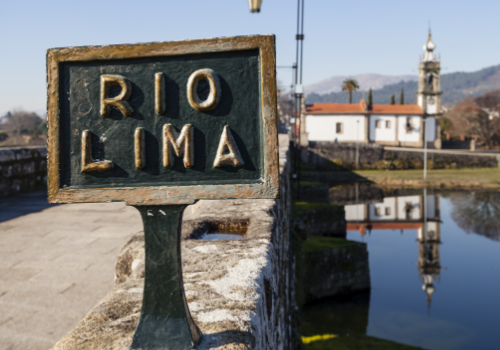
Where should you start the Camino de Santiago in Portugal?
There is no single answer. You can start in Lisbon or Porto, depending on how much time you have, or begin further north, such as in Tui or Redondela, if you want a shorter walking experience.
Having a car makes this choice even more flexible, allowing you to adapt your starting point to your schedule.
How many kilometres should you walk per day?
There is no fixed rule. As a general guide, 15 to 25 km per day is a manageable distance for many walkers, although your ideal pace will depend on your fitness, the terrain and your experience.
Five days could mean around 20 km per day, while seven days or more would allow you to take shorter stages and leave more time to explore.
How should you prepare for the Camino?
Preparation can make a significant difference. Start walking regularly several weeks before your trip and gradually increase the distance. Most importantly, wear comfortable footwear that you have already broken in.
Your backpack should contain only what you really need: lightweight clothing, waterproof layers, water, snacks, sunscreen, toiletries and a small first-aid kit. Stay hydrated throughout the day and take regular breaks rather than waiting until you are exhausted.
It is also worth planning your stages and booking accommodation in advance, particularly during the busiest months. The goal is not to walk as far as possible every day, but to enjoy the journey.
Why add a car to your Camino de Santiago experience?
A car does not have to replace the walking experience. Instead, it can become your mobile logistical base, making the trip more comfortable and flexible.
One of the biggest advantages is luggage. Rather than carrying everything you need for several days, you can leave most of your belongings in the car and walk with a lighter backpack.
A rental car also gives you greater freedom when planning your route. You can pick up your vehicle in Porto, drive to your preferred starting point or choose to begin in Tui or Redondela if you have fewer days available.
Then there are the detours. On the Coastal Way, you can take some time to visit Monte de Santa Luzia in Viana do Castelo, with its impressive views over the city, river and Atlantic. If you are following the Central route, a detour to Braga and the Bom Jesus Sanctuary adds another remarkable cultural and religious landmark to your journey.
A car can also provide a useful backup plan. If an unexpected injury, fatigue or change of plans makes walking impossible, having a rental car means you have an immediate alternative for getting around.
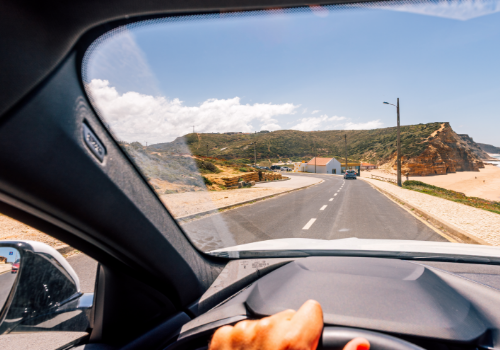
Renting a car for the Camino de Santiago: more freedom, less logistics
If you want to combine the Portuguese Camino with a road trip, Guerin can help make the logistics simpler. A rental car gives you the freedom to decide where to start, what to explore and how much of the surrounding region to discover.
You can also tailor your rental to your trip. If you are travelling with friends or family, the Additional Driver option allows other registered drivers to share the driving. For those looking for a more comprehensive rental experience, the Platinum Pack is another option to consider. And if you are travelling with children, a Child Seat can provide additional comfort and safety.
Guerin also offers a 100% digital rental process, from booking through to vehicle collection and return, using digital tools, kiosks and key dispensers. This makes the rental experience more autonomous and can save valuable time before and during your trip.
Guerin Tip: walk the Camino, drive the adventure
The Camino de Santiago in Portugal does not have to be just a pilgrimage and it does not have to be just a road trip.
Walk the places you want to experience slowly, drive to the ones you want to discover, and let your car take care of the logistics.
That way, you can experience the spirit of the Camino while enjoying the freedom to explore Portugal at your own pace.

Share